
Yacht Charter SEO: Why Low-Volume Searches Win More Bookings
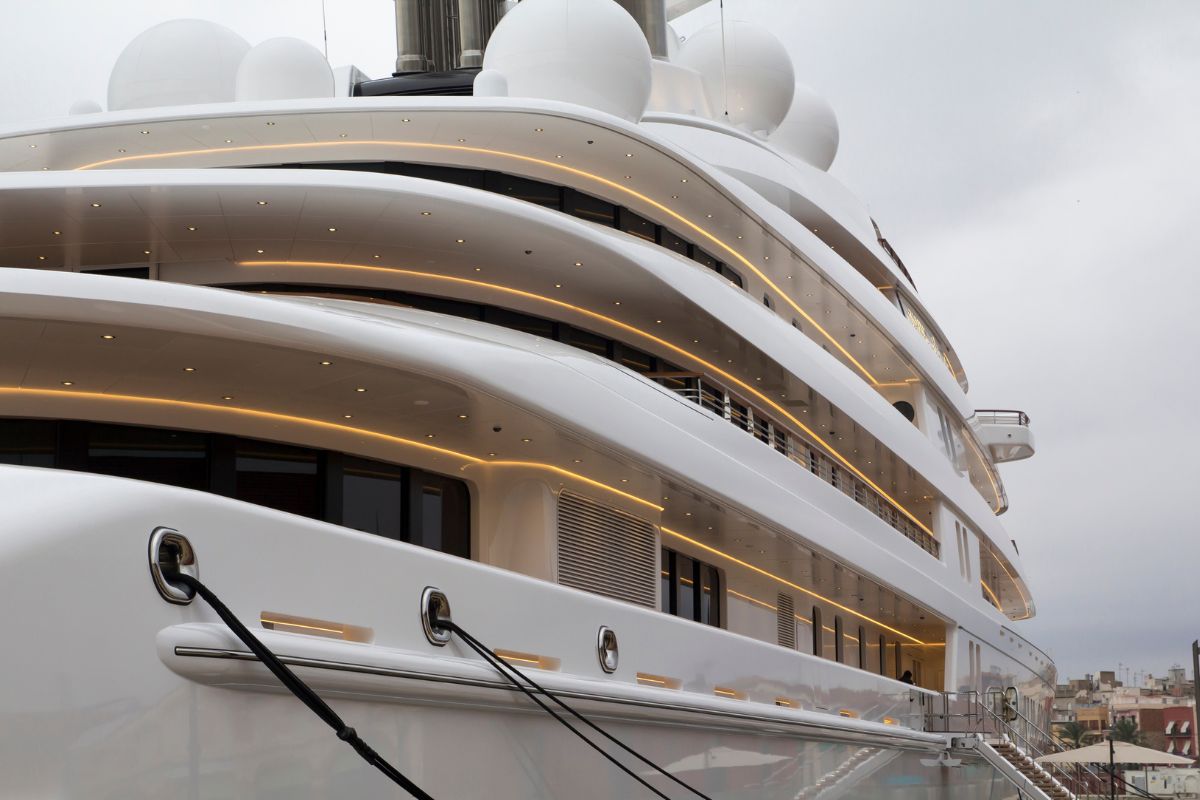
The short answer: Yacht charter SEO is about winning the specific searches people make right before they book, like a boat type, a destination and a trip length together. These searches have small numbers, but one booking can be worth thousands. Build a page for each charter you actually sell, answer the questions people ask before booking, and make sure Google can read your fleet and booking pages.
Most SEO advice chases big numbers. Find the keyword with 10,000 searches a month, rank for it, watch the traffic roll in. For a charter company, that advice can waste a lot of time.
Yacht charter SEO works differently. Your customers are a small group, they know what they want, and a single booking can be worth more than a month of sales for most small businesses. A search that only gets 70 visits a month can be the most valuable one you rank for.
Here’s why, and how to go after those searches.
Why search volume misleads charter companies
Take two searches. “Yacht charter” gets huge volume worldwide. “Crewed catamaran charter Seychelles 7 days” gets a tiny fraction of that.
The first one is mostly people daydreaming, students doing research and other charter companies checking competitors. It’s also dominated by big booking platforms with enormous budgets. The second one is someone who has picked a boat type, a destination and a length of trip. They’re close to booking.
Run some rough numbers. Say a specific search brings 70 people a month to your page. If two of them enquire and one books a week-long crewed charter, that single booking could cover a year of marketing. Low volume, high value. That’s how charter search works.
The searches that turn into bookings
The searches worth ranking for usually combine two or three details. Common patterns include:
- Destination and boat type: “Catamaran charter Croatia” or “sailing yacht charter Mauritius”.
- Crewed or bareboat: “Bareboat charter Greece” or “crewed yacht charter Caribbean”.
- Departure point: “Yacht charter from Cape Town” or “boat hire Mossel Bay harbour”.
- Occasion: “Private boat charter for a birthday” or “sunset cruise for a proposal”.
- Trip length: “Day charter” or “7 night yacht charter”.
Look at your last 20 bookings. What did those clients want? The answer is your keyword list. Ask new enquiries what they searched for, and write it down.
Build one page for each charter you sell
A lot of charter websites have a single “Charters” page that lists everything. Google has no way of knowing that page is the best answer for “crewed catamaran charter Seychelles”, because it’s trying to answer every search at once.
Give each main offer its own page instead. A good charter page includes:
- A clear title: The boat type, destination and charter style, in plain words.
- The boat: Real photos, cabins, berths, crew and what’s on board.
- Sample itineraries: Where you’d go on a day, three-day or week-long trip.
- Season and weather: The best months and what conditions to expect.
- Pricing: A starting price per day or week, so people can judge if it’s in their range.
- How to book: One obvious next step.
Answer the questions people ask before they book
Charter clients research for weeks. They want to know things like:
- Licences: Do I need a skipper’s licence for a bareboat charter here.
- Provisioning: Is food included, or do we stock the boat ourselves.
- Experience: Is this suitable for people who’ve never sailed.
- Weather: What happens if the wind picks up and we can’t go out.
- Deposits and cancellations: How much is due upfront and when.
Answer these on your charter pages and in a proper FAQ section. These are the exact questions people type into Google and ChatGPT, and the companies that answer them clearly are the ones that get found and trusted.
Fix the technical problems that hide your fleet
Charter websites often look beautiful and hide their best content from Google. Watch for these:
- Booking engines in iframes: If your fleet and prices only live inside a third-party booking widget, Google may not see them as part of your site. Put the key details in normal page text too.
- Slow, heavy photos: Big uncompressed images make pages slow on phones, and slow pages lose visitors and rankings.
- Missing page titles: Every charter page needs its own title and meta description that say what it’s about.
- Duplicate boat pages: If the same boat appears on three pages with the same text, Google won’t know which to show.
Local SEO for your base
If you run day charters or depart from a fixed harbour, local search matters a lot. Set up a Google Business Profile for your marina base with the right category, exact location, photos of your boats and plenty of reviews. People searching “boat charter near me” on holiday are often ready to book that day.
Get links from the right places
You don’t need hundreds of links. You need a handful from sites your customers already read:
- Destination guides: Local tourism sites and travel blogs covering your area.
- Sailing and boating sites: Clubs, associations and specialist publications.
- Partners: Hotels, wedding planners and event companies you already work with.
- Charter directories: The few that people actually use to compare boats.
One link from a respected sailing site is worth more than fifty from random directories.
Measure enquiries, not traffic
A charter company’s SEO report shouldn’t lead with visitor numbers. Track enquiries and bookings by page instead. If your Seychelles catamaran page gets 60 visits a month and produces two bookings, it’s doing its job, even if it never shows a big traffic graph.
Frequently asked questions
How long does yacht charter SEO take to work?
Most charter companies see movement on specific searches within three to six months. Competitive destinations with big booking platforms can take longer.
Should I focus on crewed or bareboat charter keywords?
Focus on whatever you actually sell and make the most from. If crewed charters bring in most of your revenue, build those pages first.
Can a small charter company compete with big booking platforms?
On broad searches, rarely. On specific searches tied to your boats, your base and your trips, yes. Big platforms can’t write about your exact boat and your local waters the way you can.
Does Google Business Profile matter for boat charter marketing?
It matters a lot for day charters and anyone departing from a fixed harbour. It’s often the first thing people see when they search on their phones near the water.
What should a charter company website include for SEO?
A page for each main charter offer, real photos of your boats, sample itineraries, starting prices, a clear FAQ and booking details Google can read.
Getting started
Start with your three most profitable charters. Give each one its own page, answer the questions your clients always ask, and check that Google can see your fleet. That’s the core of yacht charter SEO, and most of your competitors haven’t done it yet.
We work with charter companies, marinas and marine businesses on exactly this. See our maritime work or get in touch and tell us which charters you most want to fill.